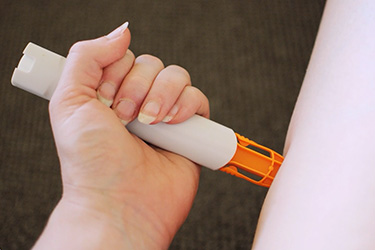
Watch this video to learn what Anaphylaxis is, common causes, and what steps you can take to prevent it.
Watch this video to learn what causes Acute Allergic Angioedema, the symptoms and how it's treated.
Allergic rhinitis is also known as "hay fever." The symptoms can be seasonal, especially in the spring and fall, or year round. In this video, you'll learn what happens when you have allergic rhinitis and what you can do to minimize symptoms.
You have an allergy when your body believes that something harmless, such as peanuts or pollen, can hurt you. Your immune system overreacts. This can cause uncomfortable or even dangerous symptoms.
This is an allergic reaction to pollen. Pollen is a fine powder that comes from trees, grass and weeds. Different people are allergic to different types of pollen, and they react to it in different ways. Hay fever can be a real nuisance.
Watch this video to learn what causes seasonal allergies and several ways to manage them.
An allergist is a doctor who specializes in allergies and related issues. They identify things that cause your symptoms to flare up. And, they teach you how to manage your condition.
This is when your body reacts badly to something in a pet's skin, saliva, sweat or pee. It happens when your immune system treats a harmless thing as if it's a danger. This can cause uncomfortable or even dangerous symptoms. Let's take a moment to learn more.
This is an allergic reaction to mold. Mold is a type of fungus that grows in damp places, both inside and outside. It releases spores that float through the air. Breathing them in can trigger uncomfortable symptoms. Let's take a moment to learn more.
This is when your body thinks sesame is harmful. When you eat or use a product that contains sesame, your body tries to fight it off. This can cause a severe reaction. Let's take a moment to learn more.
This is a way we treat allergies without needles. It helps your body get used to an allergen (that's the thing you're allergic to) over time. It may reduce your symptoms. We tend to use this therapy for people who have reactions to pollen, dust mites and pet dander. We may also use it for some food allergies.
When you have seasonal allergies, your immune system reacts to pollen from blooming trees, grass and weeds. It releases chemicals that can make you sneeze and cough. You may have a runny or stuffy nose and itchy eyes. And you may feel tired. But there are ways to manage seasonal allergies. Let's take a moment to learn more.
Allergic bronchopulmonary aspergillosis (ABPA) means you are having an allergic reaction to a common fungus called Aspergillus. ABPA causes the lungs to become inflamed. This leads to symptoms such as wheezing and coughing.
Learn how to help when someone is having a limited or severe allergic reaction.
Nasal allergies are a common health problem. Read on to learn more about them from causes and symptoms to treatment. And learn what other health problems can cause similar symptoms.
Nasal allergies are most often caused by 1 or more of 4 kinds of allergens: pollen, dust mites, mold, and animals.
From sinus infections to conjunctivitis, a look at common problems caused by nasal allergies.
Read on for tips to help limit your exposure to pollen.
Mold allergy is caused by mold spores, microscopic seed particles that travel through the air. Read on to learn where to find mold both inside and outside, and how to control it.
Dust mites are perhaps the most common cause of nasal allergies. Read on to learn how to keep them under control.
A detailed look at pet allergies, plus tips on how to reduce your exposure to these allergens.
Even a clean home can be full of allergens. Read on to see what you can do to cut down on allergens in each room of your home.
A detailed look at the different kinds of over-the-counter allergy medicines, and how they work.
Allergy shots are a type of treatment for allergies. The goal of the treatment is to make your body less sensitive to allergens. Allergens are the substances that cause your allergies.
A helpful look at the most common over-the-counter medicines that treat allergies.
You have had a serious allergic reaction known as anaphylactic shock or anaphylaxis. Learn how to take care of yourself at home.
Hives are red, itchy, and swollen areas on the skin. They are most often an allergic reaction from a food, medicine, or insect sting or bite. Read on to learn more about them.
After an injection, swelling and irritation (inflammation) can occur at the site where the needle entered the skin. This reaction can be from the needle or the medicine that was injected. Or it may be a reaction to both.
Sublingual immunotherapy may help with your allergies. It may ease your symptoms if you are allergic to dust mites or pollen from ragweed and grass. Learn more about this allergy treatment.
Allergies are problems of the immune system. Normally the immune system attacks harmful things such as viruses or bacteria. But sometimes it overreacts and responds to things that are normally harmless. These may include dust, mold, pollen, or food.